
Tungsten Spinning Nozzles for Ceramic Wool Production
Tungsten Spinning Nozzles
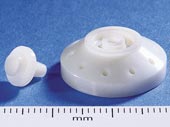
Tungsten spinning nozzles can be manufactured from the material of pure tungsten, tungsten alloy and tungsten carbide. The density of pure tungsten nozzle, tungsten alloy nozzle, tungsten carbide nozzle is about 19.2~19.3g/cm3, 15-18.5g/cm3 and 14.4-1g/cm3.
Tungsten Spinning Nozzles of Chinatungsten
Ceramic wool and fiber are manufactured at temperatures of over 1 600 °C (2912 °F). During the production process, the liquid melt passes through outflow tungsten spinning nozzles, the melt is then either blown or spun to create the finished product.
It is essential that the molten stream is precisely dosed and perfectly centered if a high-quality finished product is to be achieved. Chinatungsten makes this possible with temperature-resistant tungsten spinning nozzles. With their iridium and rhenium inserts, tungsten spinning nozzles combine excellent corrosion resistance with a long service life.
To make sure tungsten spinning nozzles last even longer, w
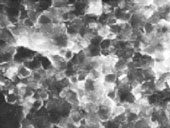 Composite Ceramic |
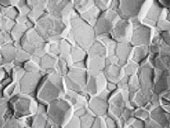 High Density Ceramic |
e have developed a special technology for joining the small precious metal tubes to the body of the nozzle.
Advanced ceramics perform very well in compression, but some engineers have the misconception that ceramics cannot be used in tension. While careful attention to failure modes is required, ceramics can perform well in tension with proper design. Tungsten alloy, for example, has a very high melting point and has a density twice that of steel and are more than 50% heavier than lead.
 |
 |
So if you got any enquiry or question about this tungsten spinning nozzles, please do not hesitate to contact us at sales@chinatungsten.com, sales@xiamentungsten.com. Price will be offered based on size, density, quantity, hardness, and any other specific requirements.





 sales@chinatungsten.com
 闽公网安备 35020602000140号